Tracing Regulatory Shifts Behind the Debut of Fresh Digital Betting Venues
Klara Krüger · Oct 18, 2026
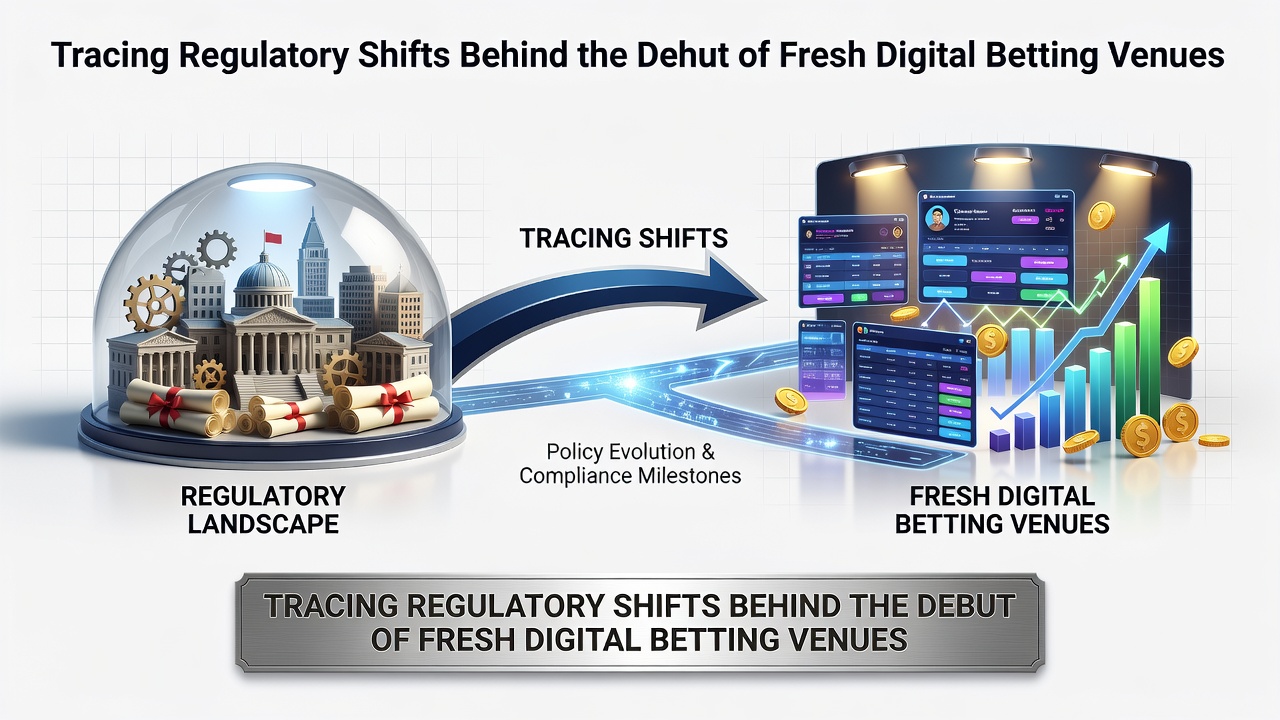
Tracing Regulatory Shifts Behind the Debut of Fresh Digital Betting Venues
Regulatory frameworks across multiple jurisdictions have undergone notable adjustments in recent years, creating pathways for new digital betting venues to enter established markets. These changes often stem from legislative updates that balance consumer protection measures with industry expansion goals, and data from government agencies indicate that licensing volumes have risen in several regions since 2023. Observers note that such shifts frequently involve streamlined application procedures, revised tax structures, and updated compliance standards that address both technological advancements and cross-border operations.
Key Legislative Adjustments in North America and Europe
Canadian provinces like Ontario implemented an open market model through the Alcohol and Gaming Commission of Ontario, which began accepting applications from private operators in 2022, and this approach has led to over 50 new platform launches by mid-2025 according to official records. In parallel, several European countries have refined their licensing criteria to incorporate stricter responsible gaming protocols while reducing administrative hurdles for entrants that meet technical audits. Researchers at academic institutions have documented how these modifications correlate with increased market participation, though figures reveal that approval timelines still vary significantly by jurisdiction.
United States state-level developments provide additional context, where bodies such as the New Jersey Division of Gaming Enforcement have expanded iGaming regulations to include sports wagering integrations, allowing operators to combine services under single licenses since updates finalized in 2024. Data shows that these adjustments followed earlier pilot programs and have coincided with a measurable uptick in operator registrations across the Northeast corridor. Yet the process remains tied to rigorous background checks and ongoing reporting requirements that new venues must navigate before debut.
Impact of Compliance Updates on Platform Launches
Compliance requirements have evolved to emphasize data security standards and real-time monitoring tools, which in turn influence how fresh digital betting venues structure their technical infrastructure from the outset. Industry reports highlight that platforms entering markets after 2024 often integrate these elements during initial development rather than retrofitting later, and this pattern appears in licensing statistics released by various oversight bodies. What's interesting is how these standards create consistency across borders even as local rules differ in scope and enforcement focus.

Australia's regulatory environment offers another perspective, where state and territory authorities have coordinated on national harm minimization frameworks that new operators must address prior to receiving approval. Figures from the Australian Communications and Media Authority indicate that revised advertising guidelines took effect in stages through 2025, directly affecting marketing strategies for incoming platforms. Those who've studied these transitions observe that such coordinated efforts can accelerate or delay market entry depending on an operator's readiness to meet unified criteria while satisfying regional variations.
Emerging Patterns as of October 2026
By October 2026, several anticipated regulatory milestones are scheduled across jurisdictions, including phased implementations of updated player verification systems in select European markets and renewed licensing cycles in Canadian provinces. These timelines connect to broader policy reviews that began years earlier and now shape the conditions under which new digital betting venues can operate. Evidence from regulatory filings suggests that operators preparing for these dates have adjusted their compliance roadmaps accordingly, resulting in clustered application submissions ahead of deadlines.
Trade associations have compiled data showing how these shifts affect operational costs and market positioning for newcomers compared with established entities. And while each region maintains distinct priorities, common threads include enhanced transparency around revenue allocation and mandatory contributions to problem gambling initiatives. Researchers continue to track these developments through longitudinal studies that compare pre- and post-regulation performance metrics across multiple countries.
Conclusion
Regulatory shifts continue to define the conditions surrounding the debut of fresh digital betting venues, with patterns emerging from coordinated policy updates in North America, Europe, and Australia. Official statistics and oversight reports provide ongoing insight into how these frameworks evolve, and the interplay between compliance demands and market access remains a central factor for operators seeking entry. As additional milestones approach in late 2026, the landscape reflects incremental adjustments rather than wholesale overhauls, supported by data from government and industry sources that document both opportunities and constraints.