Navigating Compliance Challenges Faced by Fresh Digital Gaming Platforms in Expanding Markets
Gisela Jung · Oct 4, 2026

Navigating Compliance Challenges Faced by Fresh Digital Gaming Platforms in Expanding Markets
Emerging digital gaming platforms encounter layered regulatory requirements when they enter markets that have recently liberalized or expanded their gambling frameworks, and these hurdles intensify because each jurisdiction maintains distinct licensing protocols, tax structures, and operational mandates. Data from regulatory bodies across multiple regions shows that platforms launched after 2023 face extended approval timelines averaging 18 to 24 months in several new European and Latin American territories, while anti-money laundering directives require continuous transaction monitoring systems that smaller operators must build from scratch.
Core Regulatory Layers in New Markets
Platforms must secure local licenses before offering real-money games, yet the application process demands detailed disclosures on ownership, financial backing, and software integrity. Observers note that authorities in Canada and Australia now require third-party audits of random number generators and payout percentages before granting operational approval, and these audits often extend review periods because independent testing labs maintain backlogs. Research indicates that platforms attempting simultaneous entry into multiple jurisdictions encounter conflicting data storage rules, since some markets mandate onshore servers while others accept cloud-based solutions hosted within approved regions.
Anti-Money Laundering and Player Verification Demands
Fresh operators must implement know-your-customer procedures that align with each market's risk thresholds, and October 2026 marks the point where several Latin American regulators introduced real-time identity verification mandates tied to national databases. These requirements force platforms to integrate biometric checks or government-issued document scanning within the first registration step, creating technical integration costs that exceed initial projections for many startups. Industry reports reveal that non-compliance fines in expanding markets reached record levels during 2025, prompting operators to allocate larger portions of their budgets to compliance staffing and automated monitoring tools.
Data Protection Across Borders
Expanding platforms handle sensitive player information that falls under overlapping privacy frameworks, and those entering the European Economic Area must satisfy GDPR standards alongside any local data residency laws. Researchers have documented cases where operators faced enforcement actions after transferring player data to parent companies located outside approved jurisdictions, resulting in temporary service suspensions until corrective infrastructure was installed. What's notable is that platforms operating in Asia-Pacific markets now navigate similar restrictions, as new data localization rules in Thailand and Vietnam took effect in mid-2026 and require separate storage systems for each country.
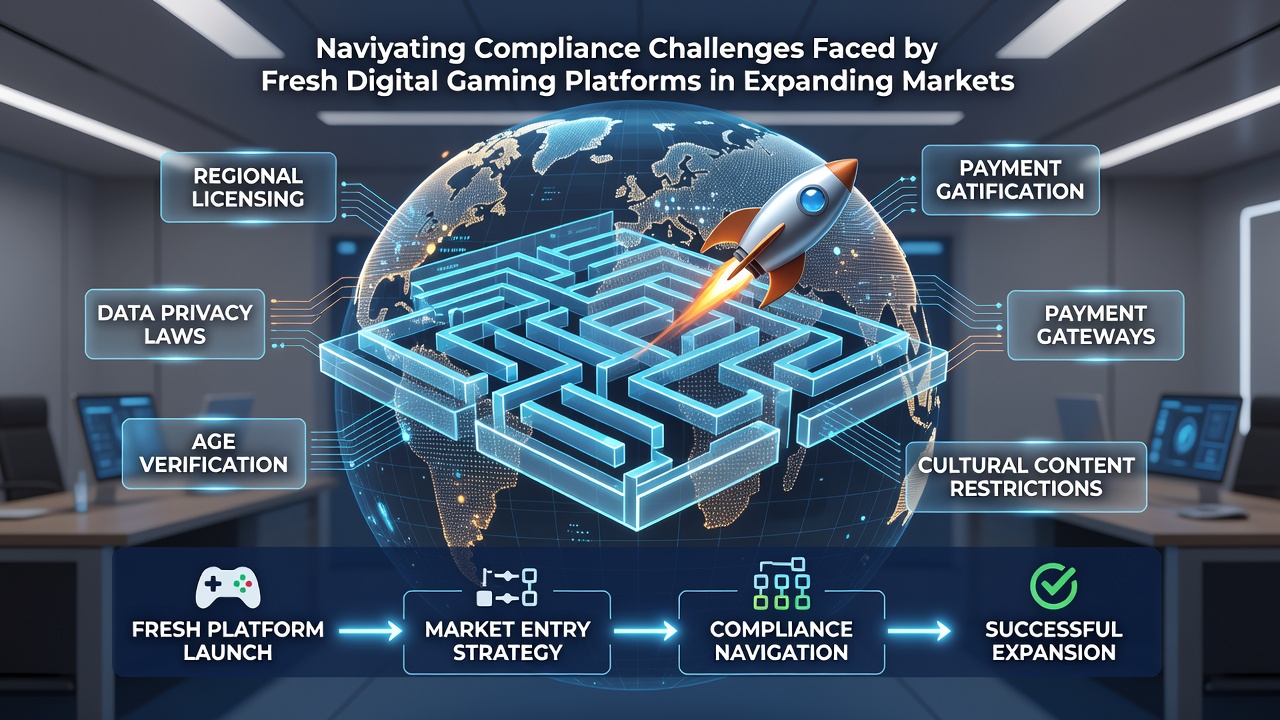
Platforms that succeed in these environments typically establish dedicated compliance teams early and maintain relationships with local legal counsel who track regulatory updates. Evidence suggests that operators who conduct pre-launch regulatory mapping exercises reduce their time-to-market by several months compared with those that address requirements sequentially after launch.
Responsible Gaming Obligations and Enforcement Trends
Most expanding markets now require operators to offer self-exclusion tools, deposit limits, and reality checks as standard features, while some jurisdictions demand integration with national self-exclusion registries. Figures released by the European Gaming and Betting Association show that platforms failing to meet these standards during 2025 received license revocations at higher rates than in previous years. Those who've studied enforcement patterns observe that regulators increasingly rely on automated monitoring of player behavior data to identify potential harm, which means new platforms must build reporting pipelines capable of delivering anonymized statistics on demand.
Tax Compliance and Financial Reporting
Tax structures vary widely across emerging markets, and platforms must calculate and remit gaming taxes based on gross gaming revenue or turnover depending on the jurisdiction. Data from the Australian Communications and Media Authority indicates that reporting deadlines tightened in 2026 for digital operators, requiring monthly submissions rather than quarterly filings in several states. This shift increases administrative workload and necessitates accounting systems that can handle multi-currency transactions and real-time reconciliation with regulatory portals.
Strategic Approaches Observed in Practice
Operators that navigate these challenges effectively often partner with established payment processors and software providers who already hold necessary certifications, thereby reducing the scope of independent compliance work required. Case studies from platforms entering the Brazilian market after its 2024 regulatory overhaul demonstrate that phased rollouts allow teams to refine verification processes based on initial user feedback before scaling to full market availability. Academic analyses of similar expansions highlight that maintaining transparent communication with regulators during the application phase correlates with faster approvals and fewer post-launch modifications.
Conclusion
Fresh digital gaming platforms entering expanding markets face interconnected compliance demands that span licensing, data protection, financial oversight, and player protection, and success depends on early investment in adaptable systems and local expertise. As regulatory frameworks continue to evolve through late 2026, operators who track changes across multiple jurisdictions position themselves to maintain operational continuity while meeting each market's specific requirements.